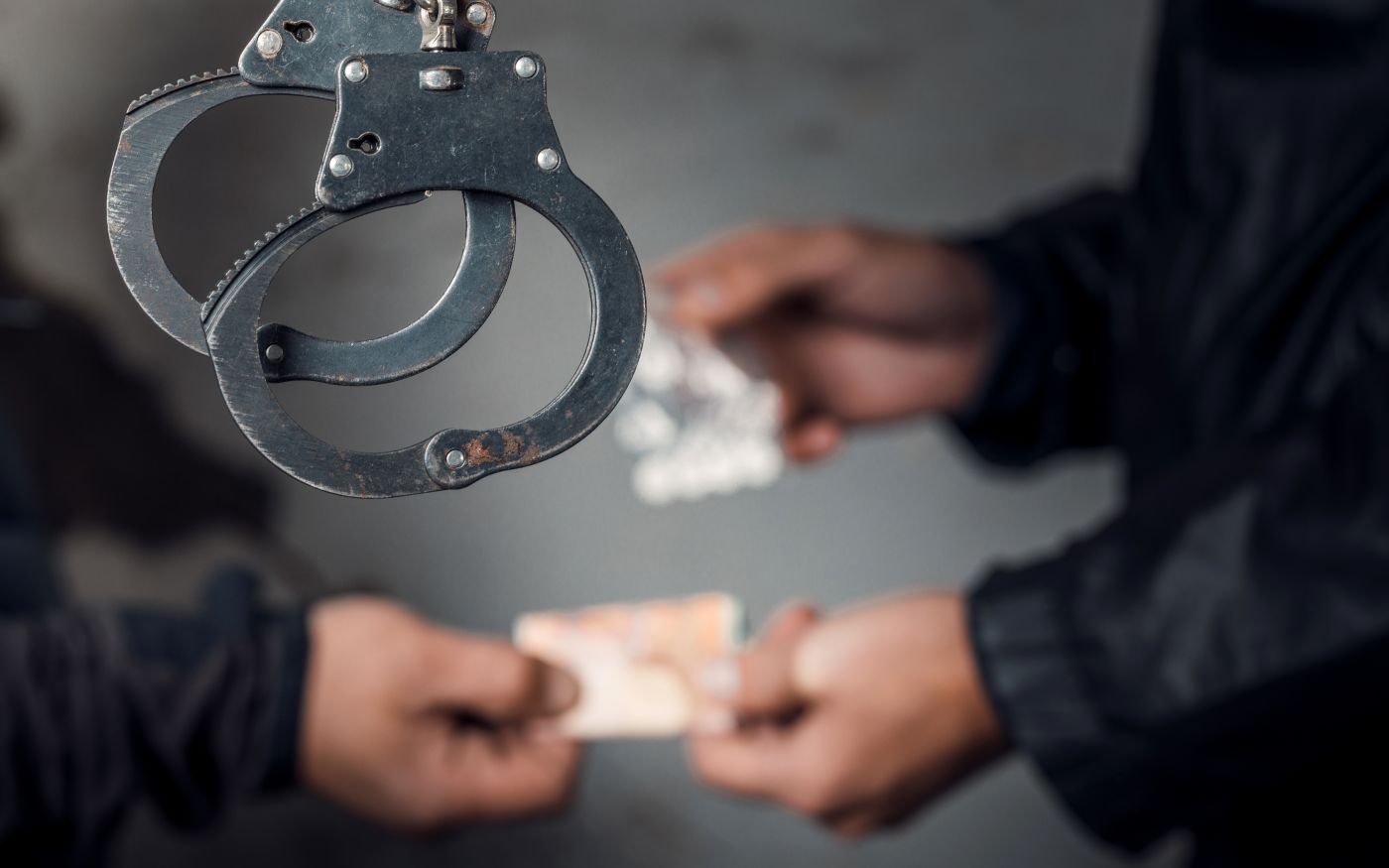
Drug distribution charges involve much more than the discovery of controlled substances. Prosecutors often rely on drug quantity, surrounding evidence, and communications between multiple people to argue that someone intended to distribute drugs rather than possess them for personal use. Because these cases often carry significant penalties under Colorado law, working with an experienced criminal defense lawyer can protect your rights and strengthen your defense.
At The Leier Law Office LLC, we help clients facing drug distribution charges by carefully reviewing the evidence, explaining their legal options, and developing a defense based on the facts of their case. We’re located in Fort Collins, Colorado, and serve clients throughout Loveland, Greeley, Windsor, and Evans. Contact us today to speak with our criminal defense lawyer.
How Quantity Thresholds Affect Drug Distribution Charges
Drug quantity plays a significant role in many distribution prosecutions, but weight alone doesn't determine whether someone intended to sell controlled substances. Prosecutors often evaluate the amount of drugs alongside the surrounding circumstances before deciding which charges to file.
Colorado law establishes different penalty levels depending on the type and amount of the controlled substance involved. Larger quantities frequently result in more serious felony charges, especially when investigators believe additional evidence supports a distribution charge. Several factors often become part of the prosecution's case, including:
The amount of the controlled substance: Larger quantities often receive greater scrutiny because prosecutors argue they exceed what someone would possess for personal use.
The type of drug involved: Colorado law classifies controlled substances differently, and penalties vary depending on the substance.
Packaging methods: Individually packaged bags, containers, or other packaging materials often become evidence supporting distribution allegations.
Where the drugs were found: Investigators frequently consider whether the drugs were discovered in a vehicle, residence, storage unit, or another location connected to other evidence.
While quantity remains an important factor, prosecutors must still prove every element of the offense. As the investigation continues, they often shift their attention to evidence they believe demonstrates an intent to distribute.
Intent to Distribute Requires Supporting Evidence
Possessing controlled substances doesn't automatically establish that someone intended to distribute them. Instead, prosecutors attempt to build their case by combining the quantity of drugs with additional evidence that supports their theory.
An experienced criminal defense lawyer carefully reviews every piece of evidence to determine whether it truly supports the prosecution's claims or whether innocent explanations exist. Evidence commonly presented includes:
Large amounts of cash: Prosecutors often argue that cash found during an investigation resulted from drug sales, even though there may be lawful reasons for possessing it.
Cell phone communications: Text messages, call records, emails, and social media conversations frequently become part of the investigation.
Scales and packaging materials: Digital scales, empty bags, containers, and similar household items are often introduced as evidence of distribution.
Financial activity: Banking records or unusual financial transactions sometimes become part of the prosecution's argument.
Every piece of evidence deserves careful review. We examine police reports, witness statements, electronic records, and the circumstances surrounding the investigation to identify weaknesses in the prosecution's case and develop a defense tailored to your situation.
Conspiracy Charges Can Broaden a Criminal Case
Drug distribution investigations often involve multiple individuals. When that happens, prosecutors sometimes file conspiracy charges that expand the scope of a criminal case beyond possession or distribution.
Under Colorado law, conspiracy generally requires proof that two or more people agreed to commit a criminal offense and that at least one person took an action to further that agreement. Simply knowing someone or communicating with them isn't enough by itself. Evidence often used in conspiracy prosecutions includes:
Phone and text message records: Investigators frequently rely on communication between individuals to support conspiracy allegations.
Surveillance evidence: Meetings, travel patterns, or repeated contact between individuals often become part of the prosecution's case.
Statements from cooperating witnesses: Individuals charged in the same investigation sometimes provide testimony while seeking favorable treatment from prosecutors.
Shared financial records: Joint transactions or financial activity can serve as evidence supporting conspiracy charges.
Because conspiracy cases often involve several defendants, evidence collected during one person's investigation sometimes affects another person's case. A criminal defense lawyer will carefully evaluate whether prosecutors have sufficient evidence to establish an actual agreement instead of relying on assumptions or circumstantial evidence.
Building an Effective Defense Strategy
Every distribution prosecution requires a careful review of the investigation and the evidence supporting the charges. Rather than accepting the prosecution's conclusions, we examine whether law enforcement followed constitutional requirements throughout every stage of the case. A criminal defense strategy often includes reviewing:
Search and seizure procedures: Evidence obtained through unlawful searches or traffic stops could be challenged in court.
Laboratory testing: Drug testing procedures, chain of custody, and reported weights should be carefully examined for accuracy.
Witness credibility: Prior inconsistent statements, cooperation agreements, and other credibility issues often affect witness testimony.
Electronic evidence: Phone data, digital records, and communication timelines require close review to determine reliability and context.
Colorado law provides important constitutional protections during criminal investigations. Issues involving search warrants, probable cause, police questioning, and the right to remain silent frequently become important parts of a defense strategy.
Speaking with a criminal defense lawyer before answering investigators' questions or consenting to additional searches helps protect your legal rights while your case proceeds.
Protect Your Future With a Criminal Defense Lawyer
Drug distribution prosecutions often depend on evidence that deserves careful examination before conclusions are reached. A criminal defense lawyer helps challenge unsupported claims and protect your rights throughout the legal process. At The Leier Law Office LLC, we proudly serve clients in Fort Collins, Colorado, and Loveland, Greeley, Windsor, and Evans. Call us today to discuss your case and learn how we'll help protect your future.