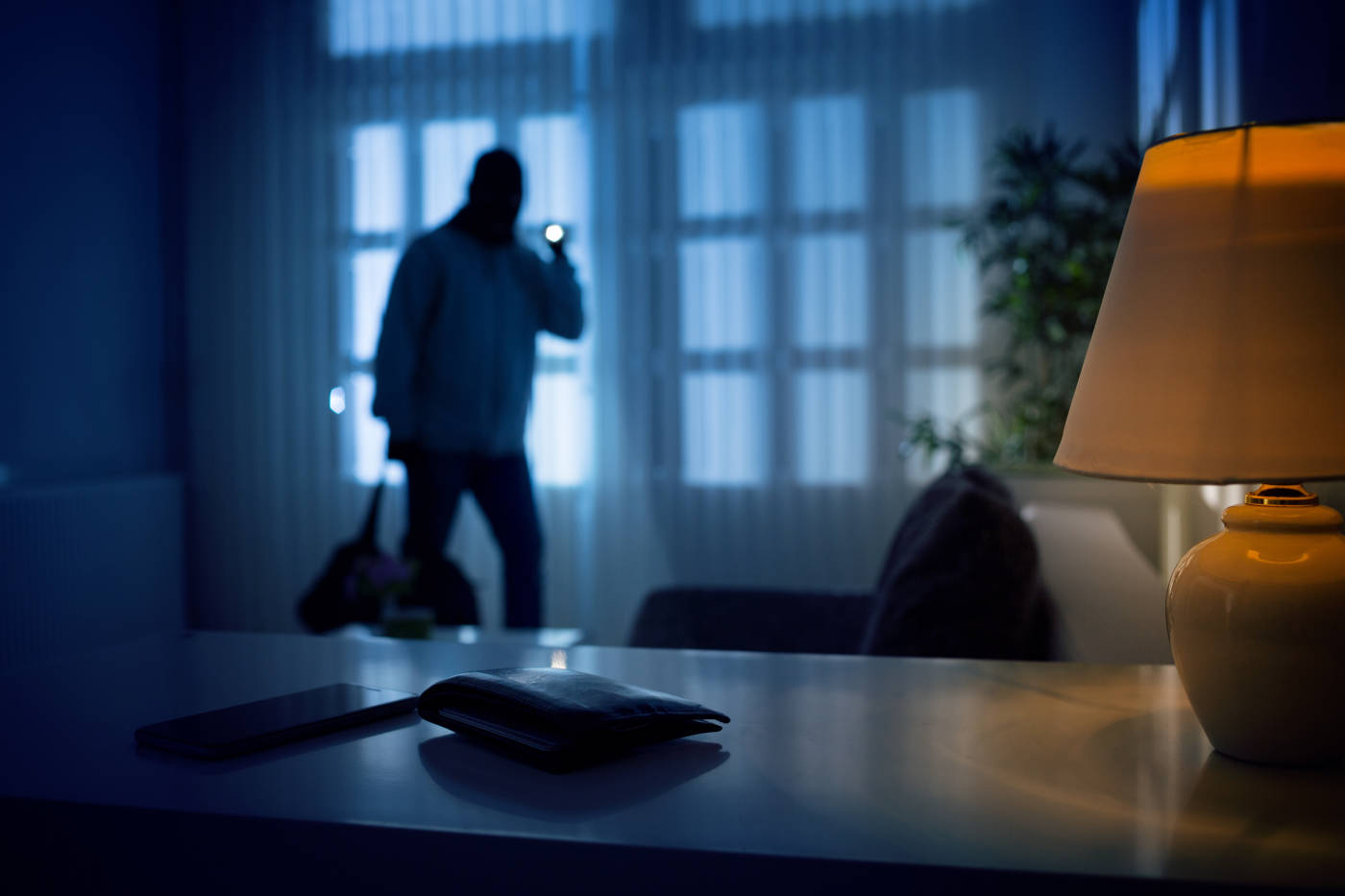
Burglary charges in Colorado often involve more than simply entering a building. Prosecutors must prove specific legal elements, including criminal intent, before a conviction can occur. Because burglary offenses carry serious penalties that can affect your freedom, employment, and future opportunities, working with a criminal defense lawyer early in the process is an important step.
At The Leier Law Office LLC, we work to protect your rights, examine the evidence, and build a defense based on the facts of your case. We help clients facing burglary charges in Fort Collins, Colorado, and we also serve Loveland, Greeley, Windsor, and Evans. Speak with us today to start building a defense strategy with the guidance of a criminal defense lawyer.
Residential and Commercial Burglary Carry Different Consequences
Colorado law separates burglary offenses based on several factors, including the type of property involved and the circumstances surrounding the entry. Residential burglary generally receives harsher treatment because it involves places where people live, increasing concerns about occupant safety.
Commercial burglary involves businesses, offices, warehouses, or other non-residential buildings. Although these cases don't involve homes, they still carry significant criminal penalties, including prison time, fines, and a permanent criminal record. Several factors influence how burglary charges are classified:
Type of building: Entering a residence often results in more serious charges than entering a commercial property because homes receive greater legal protection.
Presence of occupants: Cases involving occupied structures often receive closer scrutiny since prosecutors view the potential for confrontation as a significant concern.
Use or possession of weapons: Possessing or using a deadly weapon during a burglary can increase the severity of the charges and potential penalties.
Additional criminal allegations: Property damage, theft, or assault related to the incident can lead to separate criminal charges in addition to burglary.
As prosecutors evaluate these circumstances, they must still establish every required element of the offense. One of the most important issues often involves proving criminal intent.
Intent Remains a Critical Part of Every Burglary Case
Unlike simple trespassing, burglary requires proof that someone entered or remained unlawfully with the intent to commit another crime inside the property. Without sufficient evidence of that intent, prosecutors face greater difficulty proving burglary beyond a reasonable doubt.
An experienced criminal defense lawyer carefully reviews the evidence to determine whether prosecutors can actually establish criminal intent rather than relying on assumptions. Common issues that affect intent include:
Mistaken entry: Entering the wrong building or residence because of confusion, intoxication, or poor visibility doesn't automatically establish an intent to commit a crime.
Lawful purpose: Someone entering a property for a legitimate reason, such as retrieving personal belongings or meeting another person, presents a very different legal situation.
Insufficient evidence: Prosecutors must rely on facts, not speculation, when attempting to prove that someone intended to commit theft or another offense.
Conflicting witness accounts: Inconsistent statements from witnesses can weaken the prosecution's argument regarding what occurred before or during the entry.
These circumstances often become central to the defense strategy. Once intent is examined, attention turns to the evidence supporting the prosecution's allegations.
Reviewing the Evidence Builds a Stronger Defense
Every burglary prosecution depends on evidence. Police reports, surveillance footage, witness testimony, forensic evidence, and electronic records all become part of the case. Carefully reviewing each piece of evidence often reveals weaknesses that affect the prosecution's position.
We work closely with our clients to examine every detail rather than accepting the prosecution's version of events at face value. Evidence frequently reviewed includes:
Surveillance recordings: Video footage sometimes fails to clearly identify the individual involved or capture the entire sequence of events.
Fingerprint or DNA evidence: Physical evidence must be collected, preserved, and analyzed in accordance with proper legal procedures before it is deemed reliable in court.
Witness statements: Memory errors, poor lighting, stress, and limited opportunities for observation can affect witness accuracy.
Police procedures: Searches, seizures, interviews, and arrests must comply with constitutional protections. Violations can affect whether certain evidence remains admissible.
Colorado's criminal justice system also places time limits on prosecution. While the statute of limitations depends on the level of the burglary offense charged, speaking with a criminal defense lawyer promptly allows important evidence to be preserved and defense strategies to begin as early as possible.
Building a Defense Based on the Facts
No two burglary cases are exactly alike. A defense that works in one situation won't necessarily fit another. Reviewing the circumstances surrounding the arrest allows a criminal defense lawyer to identify legal arguments that are grounded in the specific evidence involved. Depending on the facts, a defense strategy could involve:
Challenging criminal intent: Demonstrating that prosecutors can’t prove an intent to commit another crime at the time of entry.
Questioning identity: Showing that witness identification or surveillance evidence doesn't reliably establish who entered the property.
Examining lawful access: Presenting evidence that the individual had permission or another lawful reason to enter the building.
Protecting constitutional rights: Addressing unlawful searches, improper questioning, or other violations that occurred during the investigation.
Throughout the legal process, we explain each stage, answer questions, and prepare clients for court appearances, negotiations, or trial when necessary. Consistent communication helps clients understand what to expect while decisions are made based on the evidence rather than assumptions.
Speak With a Criminal Defense Lawyer About Your Burglary Charge
Burglary accusations deserve careful attention because every fact matters when building a defense. At The Leier Law Office LLC, we assist clients throughout Fort Collins, Colorado, as well as Loveland, Greeley, Windsor, and Evans. Contact us today to speak with a criminal defense lawyer who’ll review your case and discuss your legal options.