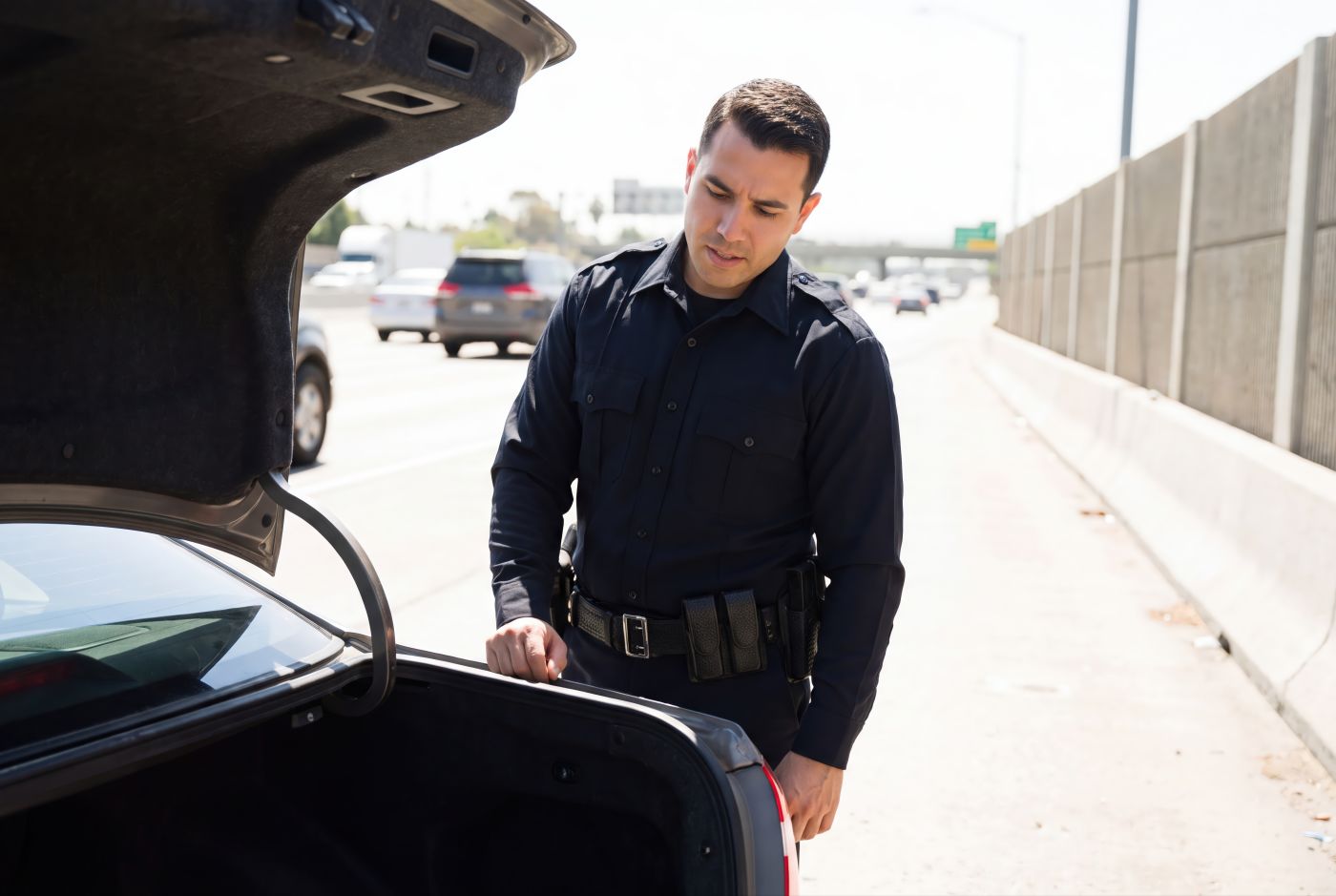
Search and seizure laws limit when law enforcement can stop a person, search a vehicle or home, seize property, or collect evidence for a drug crime investigation. When officers don't follow these requirements, the evidence obtained during the search becomes an important issue in your case.
At The Leier Law Office LLC, we help clients accused of drug crimes by reviewing how evidence was obtained and identifying potential constitutional violations. As a drug crime defense attorney, we examine traffic stops, warrants, searches, arrests, and seizures to determine whether law enforcement followed Colorado requirements. Our firm is located in Fort Collins, Colorado, and serves clients in Loveland, Greeley, Windsor, and Evans. Contact The Leier Law Office LLC to discuss your case and the circumstances surrounding the search or seizure.
Know When a Search Requires Probable Cause
The Fourth Amendment protects against unreasonable searches and seizures, while Article II, Section 7 of the Colorado Constitution also protects people from unreasonable government intrusion. These protections matter in drug crime cases because evidence often comes from a vehicle, residence, backpack, phone, or other personal property.
Colorado law establishes requirements for search warrants. Under Colorado Revised Statutes § 16-3-303, an affidavit supporting a warrant must provide facts establishing probable cause and identify the person, place, or thing to be searched and the property officers are seeking.
Our strategic attorney can review the warrant and supporting affidavit to determine whether the stated facts actually establish probable cause. The review can focus on:
Information supporting the warrant: The affidavit should contain facts supporting the requested search rather than relying solely on unsupported conclusions.
Location of the evidence: The affidavit must establish probable cause to believe the property sought is located in the place or thing identified for the search.
Scope of the warrant: The authorization should correspond with the evidence officers are permitted to seek.
Timing of the information: Older information can raise questions about whether probable cause still existed when the warrant was requested.
Colorado courts have also emphasized that probable cause requires more than a vague suspicion. Officers must have specific facts and circumstances supporting a reasonable belief that evidence of a crime will be found.
Examine Traffic Stops and Vehicle Searches
Drug evidence frequently comes from traffic stops. A lawful traffic stop doesn't automatically give an officer unlimited authority to search a vehicle for drugs. The circumstances surrounding the stop matter. Officers need a proper legal basis for the initial detention, and any additional investigative activity must meet applicable constitutional requirements. Colorado appellate decisions have addressed suppression issues involving traffic stops, arrests, vehicle searches, and drug evidence.
We will examine the sequence of events rather than focusing only on the moment drugs were discovered. Important questions include:
Reason for the stop: What traffic or criminal violation did the officer observe before initiating the stop?
Duration of the detention: Did officers extend the stop beyond its lawful purpose without the required justification?
Development of probable cause: What facts did officers rely on before searching the vehicle?
Method of the search: Did officers rely on a warrant, consent, an exception to the warrant requirement, or another legal justification?
In a 2025 decision, the Colorado Supreme Court considered the reasonableness of a three-day delay between seizing a vehicle and applying for a search warrant, examining factors such as the delay's length, the property owner's possessory interest, the government's justification, and police diligence. That means the timing and circumstances surrounding a vehicle seizure can become significant parts of a suppression analysis.
Review Warrants and the Scope of Searches
A search warrant limits where law enforcement can search and what evidence officers can seize. Colorado law requires warrants to identify the place or property involved, so the warrant’s language matters when officers search a home, vehicle, or other property.
Our attorney will compare the warrant's language with what officers actually did. This review can identify potential issues involving:
The places officers searched
The property they were authorized to seek
Statements or information used to establish probable cause
Whether officers exceeded the warrant's scope
Whether an exception to the warrant requirement was actually applicable
Reviewing these details can help identify whether evidence was obtained improperly. Addressing these concerns early can also help you understand your defense options.
Challenge Evidence Obtained Through Unlawful Searches
You can challenge evidence obtained through an unconstitutional search or seizure through a suppression motion. If drugs, paraphernalia, or statements were improperly obtained, excluding that evidence can affect the prosecution’s case. However, Colorado law recognizes certain good-faith mistakes and technical violations under C.R.S. § 16-3-308. A drug crime defense attorney will review the search, the officer’s actions, and the circumstances supporting probable cause to identify potential grounds for challenging the evidence.
Protect Your Rights With a Drug Crime Defense Attorney
Search and seizure issues can affect whether drug evidence remains part of a criminal case. At The Leier Law Office LLC, we review the circumstances surrounding stops, searches, warrants, and seizures to identify potential issues and help clients understand their available defense options.
The Leier Law Office LLC is located in Fort Collins, Colorado, and serves clients in Loveland, Greeley, Windsor, and Evans. Speak with a drug crime defense attorney at The Leier Law Office LLC to review the evidence and discuss your legal options.