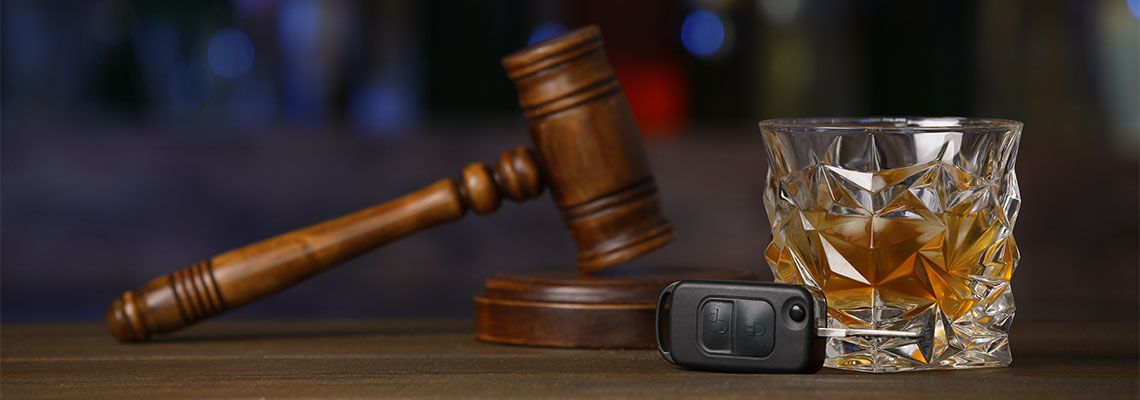
Vehicular homicide cases involve situations where a driver’s actions directly result in the death of another person. These cases are serious, carrying severe criminal penalties and long-term consequences for those involved. Central to these cases are two key factors: negligence and intoxication. Negligence can include speeding, distracted driving, or failing to follow traffic laws, while intoxication involves operating a vehicle under the influence of drugs or alcohol. Both can significantly influence the outcome of vehicular homicide trials.
At The Leier Law Office LLC, we help clients in Fort Collins, Colorado, understand how negligence and intoxication can affect their cases. We work closely with those facing vehicular homicide charges. We have locations in Fort Collins, Colorado, and serve clients in Loveland, Greeley, Windsor, and Evans. Contact us today to discuss your case and protect your rights. Our legal team has the experience, compassion, and comprehension to help you throughout the process.
The Basics of Negligence in Vehicular Homicide Cases
Negligence occurs when a driver fails to exercise reasonable care on the road, resulting in harm to others. It’s more than just a careless mistake—it reflects a failure to act with the caution that any reasonable driver would use in similar circumstances.
Courts closely examine these actions to determine whether they were preventable and whether the driver disregarded safety standards. In vehicular homicide cases, the court examines how the driver’s actions—or lack of action—contributed to the fatal accident. Common examples of negligence include:
Speeding: Exceeding posted limits or driving too fast for conditions can increase the likelihood and severity of accidents.
Distracted driving: Using a phone, adjusting controls, or interacting with passengers can divert attention from the road.
Failure to obey traffic signals: Ignoring stop signs, red lights, or yield instructions increases the risk of collisions.
Improper lane changes: Cutting off other vehicles or weaving in traffic demonstrates carelessness that can be fatal.
Proving negligence in court often requires accident reports, witness statements, and professional testimony. These elements help the court determine whether the driver’s actions directly caused the death and how culpable they were in the incident. Speeding can sometimes result in criminal charges, at which point your case could go to trial.
Intoxication and Its Impact on Vehicular Homicide Trials
Operating a vehicle while impaired by alcohol or drugs is a significant aggravating factor in vehicular homicide cases. Courts treat intoxication seriously because it shows a conscious disregard for human life. Consulting an experienced DUI lawyer can help you understand the potential consequences and develop a strong defense strategy. Key points include:
Blood alcohol content (BAC) evidence: The level of alcohol in the driver’s bloodstream can determine whether the driver was legally impaired.
Drug influence: Prescription medications, recreational drugs, or illegal substances can also impair judgment and reaction time.
Prior offenses: A history of DUIs or drug-related incidents can affect sentencing and the court’s view of responsibility.
Intoxication increases both the severity of charges and the potential penalties. For example, someone who causes a death while intoxicated could face longer prison sentences and higher fines than a driver who acted negligently but was sober. Understanding these distinctions is critical for anyone involved in vehicular homicide trials.
Evidence That Shapes Vehicular Homicide Cases
Evidence plays a pivotal role in determining outcomes in vehicular homicide trials. Strong evidence can clarify whether negligence, intoxication, or both led to the fatal accident. Some of the key types of evidence include:
Accident reports: Police records detail the sequence of events and help establish fault.
Witness statements: Testimonies from those who saw the incident can provide context about driver behavior.
Vehicle inspections: Mechanical failures or malfunctions can influence whether the driver or another factor caused the accident.
Surveillance footage: Cameras from nearby businesses or traffic intersections could capture critical moments.
Toxicology reports: Blood, urine, or hair tests confirm intoxication and timing relative to the accident.
Our firm reviews all available evidence to build a clear picture of each case. We make sure nothing is overlooked, giving our clients the strongest possible defense in court.
Legal Defenses and Considerations in Vehicular Homicide Trials
Defending a vehicular homicide case often involves several strategies, and the approach depends heavily on the specific facts of the accident, the evidence available, and the charges involved. Understanding the full circumstances surrounding the incident is critical before deciding on a defense strategy. Possible approaches could include:
Challenging evidence: Questioning the accuracy of accident reports, witness statements, or toxicology results.
Mitigating factors: Presenting circumstances to explain the driver’s behavior, such as sudden medical emergencies.
Comparative negligence: Showing that the victim’s actions contributed to the accident, potentially reducing liability.
Procedural defenses: Identifying errors in how law enforcement handled the case, which can affect the admissibility of evidence.
Each case is unique, and discussing your situation with a lawyer helps determine which defenses apply. We work with clients to examine every angle, preparing them for what to expect during vehicular homicide trials and making sure they understand the legal process. By carefully considering these options, we help clients make informed decisions.
Call Us for Help With the Challenges of Vehicular Homicide Trials
Vehicular homicide trials can be emotionally and legally overwhelming for everyone involved. We guide clients through every step, explaining how negligence and intoxication affect their cases while advocating for fair treatment under the law. We have locations in Fort Collins, Colorado, and serve clients in Loveland, Greeley, Windsor, and Evans. If you’re facing a vehicular homicide charge, contact The Leier Law Office LLC today to discuss your options and begin protecting your rights.